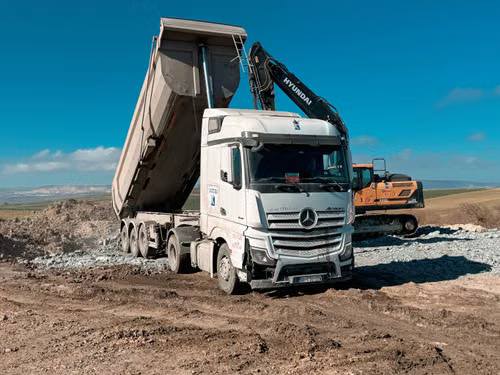
Steel behaves differently once the temperature drops. It gets harder, less forgiving, and far more likely to crack under a shock load that it would have absorbed without complaint in July. Add road salt to the mix, and you get corrosion working from the outside in while cold works on the metal from within. Most owners don’t notice any of this until something lets go on a Tuesday morning, with a full load of aggregate on the bed. By then, the repair bill has already tripled.
Winter dump truck repair costs are rarely about one dramatic failure. They build quietly across three or four months, then arrive all at once. A cracked crossmember here, a pitted hoist cylinder rod there, a wiring harness eaten through at the frame rail. Each one looked minor in November.
Shops that work on vocational trucks year-round, including MSR Manufacturing & Truck Sales, see the same failure patterns repeat every season. The trucks that come through in March with structural damage are almost always the ones that skipped a fall inspection.
Why Cold Weather Makes Steel More Likely to Crack
Steel loses toughness as temperature falls. The transition happens across a range rather than at one fixed point, and the exact temperature depends on the grade of steel and how it was processed. What matters for you is the practical result. A frame rail that flexes normally at 60 degrees can fracture at 10 degrees under the same load.
Welded areas concentrate this problem. Heat-affected zones near old repairs already carry residual stress. Cold makes those spots the first place a crack starts.
Watch these locations closely once temperatures drop:
- Frame rails near suspension hangers
- Crossmember attachment points
- Subframe mounting brackets
- Old weld repairs, especially ones done in the field
- Hoist cylinder mounting ears
Perhaps the most overlooked factor is the shock loading itself. Frozen material dumps differently. A load of half-frozen sand does not slide out cleanly. It sticks, then releases in one violent shift that hammers the bed and the hinge points.
How Road Salt Attacks Frames, Welds, and Hydraulics
Salt brine gets everywhere. That is the whole problem with it. Rock salt bounces and washes off. Liquid brine wicks into seams, wraps around fasteners, and sits inside boxed frame sections where nobody looks.
Corrosion does not spread evenly. It concentrates where moisture cannot drain and where two metals touch. Look at these areas after every salted run:
- Inside boxed frame rails and crossmembers
- Under bed liners and along bed floor seams
- Around air line fittings and electrical connectors
- At hoist cylinder rods and seal areas
- Where dissimilar metals meet, like aluminum beds on steel frames
A pitted cylinder rod is the failure most owners underestimate. Salt scars the chrome. Those scars then chew the seal every cycle. The cylinder does not fail immediately. It weeps for weeks, loses lift speed gradually, and eventually strands the truck with a load in the air.
Washing helps, though it helps less than people expect. Spraying the outside of a frame does very little for brine already sitting inside the rail. Drain holes matter more than pressure washers do.
Heavy Loads and Frozen Material: The Combination That Breaks Frames
Winter loads weigh more than they look. Wet aggregate holds water, then that water freezes, and suddenly a legal load by volume is an overload by weight. Operators rarely account for this.
Then comes the dumping cycle. Material that clings to the bed shifts the center of gravity backward as the bed rises. That transfers load into the rear frame section, and the hoist mounts at exactly the wrong angle. Do that four hundred times over a winter, and fatigue cracks show up in predictable places.
Here is what compounds it:
- Frozen material requires multiple lift attempts.
- Operators bump the throttle to shake loads loose.
- Bed slamming shocks the hinge pins and rear crossmember
- Uneven or frozen ground puts the frame in a twist during lift.
That last point deserves attention. Dumping on frozen, rutted ground twists the chassis while the bed is up. The frame carries torsional stress that it was never designed to handle in that position.
Winter Inspection Points for Dump Truck Owners
You do not need a full teardown to catch most of this. A careful look every two weeks finds the majority of developing problems.
Check these regularly through the season:
- Frame rails with a flashlight, looking for paint cracks that follow a line
- Weld seams at crossmembers for rust bleeding through
- Hoist cylinder rods for pitting, scoring, or fluid film
- Hydraulic hose routing for chafe points and stiffness
- Air lines and electrical runs where they cross the frame
- Bed hinge pins and bushings for play
Paint tells you a lot. Cracked or lifted paint in a straight line across a frame rail usually means the steel underneath moved. Rust bleeding from a weld seam means moisture is already inside.
Let’s break down the response. A hairline frame crack caught in December is a controlled repair. The same crack found in March has often propagated across the web and into the flange, which turns a straightforward job into a section replacement.
Repair Approaches That Hold Up Through Winter
Not all repairs survive the season. Field welds done in cold conditions without preheat frequently crack again within months. Cold steel pulls heat out of the weld too fast, which creates a hard, brittle zone right next to the repair.
Proper structural repair on a truck frame involves several things that get skipped when someone is in a hurry:
- Correct preheat for the material and ambient temperature
- Crack removal back to sound metal before any filler goes down
- Weld geometry that avoids sharp transitions and stress risers
- Reinforcement is sized and placed so it does not create a new stress point.
- Protective coating on the repair before the truck returns to salted roads
That last item gets ignored constantly. A bare weld on a frame rail rusts fast once brine hits it.
Reinforcement plates need thought, too. A plate welded across a crack can move the failure point rather than fix it. The stress goes somewhere. Where it goes depends on how the plate ends and how the welds terminate.
Planning Repairs Before Spring Work Starts
Winter is when trucks sit. That makes it the right time for structural work, though most owners wait until the truck is needed again. Then they want it back in two days.
Next steps worth considering:
- Schedule a frame inspection during your slowest weeks.
- Address hoist and hydraulic issues before the spring rush.
- Handle corrosion repairs while you can afford the truck being down.
- Document what gets repaired so patterns become visible over time.
That last point helps more than people expect. Three cracks in the same area over two seasons mean something in the loading or the suspension is wrong, not just the steel.
Cold and salt will keep doing what they do. What changes the outcome is whether you find the damage while it is still a small repair or after the frame has decided the timing for you.
