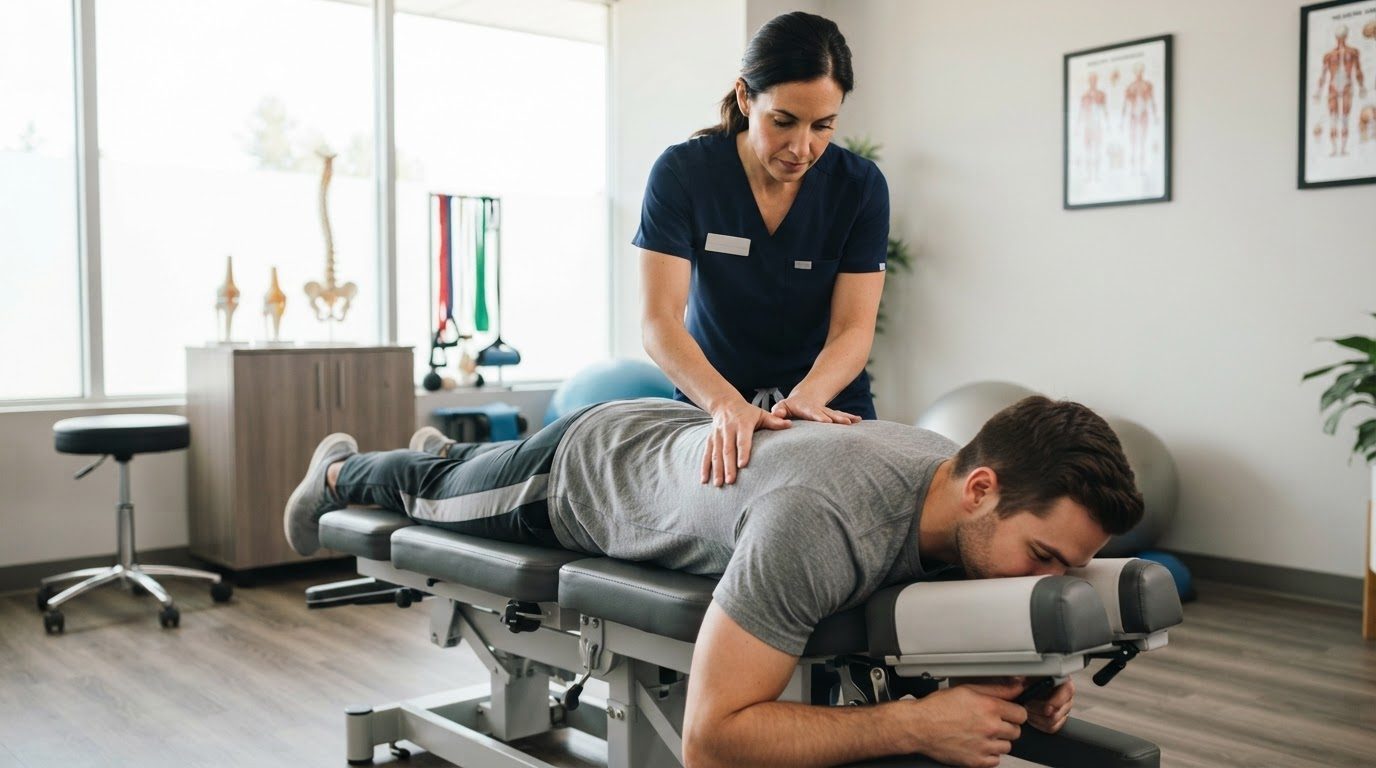
What Are the Benefits of Deep Tissue Massage for Athletes?

Athletes ask a lot of their bodies. Every sprint, lift, and hard landing puts strain on muscles and the connective tissue underneath. Train hard enough, long enough, and that strain builds into tightness, knots, and the kind of stiffness that quietly drags down your next session. Pushing through it works for a while. Then it stops working, and the body starts sending bills.

More athletes have figured out that recovery is where the real gains hide, which is why massage keeps earning a spot in serious training plans. Anyone searching for deep tissue massage usually wants the same thing, to recover faster and move better without breaking down. A provider such as Massage Escape skilled in athletic work can target the deep tension that ordinary stretching never quite reaches. Here is what this kind of therapy actually does for an active body.

How Deep Tissue Massage Targets Muscle Tension and Tightness

Working the Deeper Layers: Light massage glides over the surface. Deep tissue goes after the muscle beneath, using slow strokes and firm, sustained pressure to reach tension that sits well below the skin. The pace is deliberate on purpose. A therapist needs time to work through each layer rather than skating across the top of the problem.

Breaking Up the Knots: Hard training leaves behind adhesions, those tight bands where muscle fibers and tissue stick together and refuse to release. Deep tissue therapy works to break up these spots, easing the chronic tightness that nagging soreness tends to come from. It is not always comfortable in the moment, but the release afterward usually earns its keep.

Freeing Up Movement: When muscles stay locked, your range of motion shrinks without you noticing. Tight hips shorten a stride. Stiff shoulders cut into a swing. Loosening those restricted areas restores some of the give your body lost, and many athletes find they move more freely a day or two after a session settles in.

Enhancing Recovery After Training and Competition

Better Circulation, Faster Repair: Pressure applied through deep tissue work boosts blood flow to the muscles being treated. That increased circulation carries oxygen and nutrients to tired tissue while helping clear out the waste that hard effort leaves behind. Athletic recovery massage leans on this process to help the body rebuild quicker between demanding efforts.

Less Soreness the Next Day: That deep ache after a brutal session, the kind that makes stairs a negotiation, tends to ease with regular treatment. Massage can lessen the severity of delayed soreness, so you bounce back sooner. Not gone entirely, but blunted enough to matter when you have to train again tomorrow.

Recovering Between Sessions: The athletes who improve fastest are often the ones who recover fastest. Among the better-known sports massage benefits, the ability to shorten downtime between workouts stands out. Less time sidelined by stiffness means more quality sessions, and over a season that difference adds up in ways you can actually measure.

Improving Athletic Performance and Range of Motion

Flexibility You Can Use: Tight muscles quietly steal performance. When a therapist releases that tension, joints move through a fuller range, and your body stops fighting itself on every rep. Muscle recovery for athletes is not only about feeling better, it is about restoring the freedom of movement that lets you actually perform near your ceiling.

Clearing Movement Restrictions: Picture a runner with chronically tight hip flexors. Every stride gets shortened, power leaks out, and form suffers without them realizing why. Deep tissue work on those muscles can open the stride back up. Small change, big payoff over thousands of repetitions in a race or a season.

Moving More Efficiently: When muscles fire freely and joints move the way they should, your whole movement pattern gets cleaner. Less wasted energy, less compensation from muscles picking up slack they were never meant to carry. A performance enhancement massage approach supports this kind of efficient movement, which often translates into output you can feel.

Helping Prevent Overuse Injuries and Muscle Imbalances

Catching Strain Early: Repetitive training hammers the same muscles over and over, and those overworked areas are where injuries tend to start. A skilled therapist can feel excess strain before it becomes a real problem, addressing tight spots while they are still just tight, not torn.

Restoring Balance: Most athletes develop imbalances. One side stronger, one muscle group tighter, a dominant leg quietly taking over. Left alone, these imbalances pull on joints and set up injury down the line. Regular deep tissue work helps keep muscle function more even, which protects you over the long haul.

Backing Up Your Training: Massage is not a replacement for strength work or smart programming. It supports them. Pairing deep tissue massage for athletes with a solid prevention routine gives your body a better shot at absorbing heavy training without breaking down at the worst possible moment.

Incorporating Deep Tissue Massage Into an Athlete’s Routine

Finding the Right Frequency: How often depends on your training load. Someone deep in competition season might benefit from weekly or biweekly sessions, while an off-season athlete could stretch them further apart. Listen to your body and adjust. There is no single schedule that fits every sport or every person.

Pairing It With Everything Else: Massage works best as one piece of a larger recovery picture. Stretching, mobility work, sleep, decent nutrition, and proper conditioning all pull in the same direction. The table time supports that effort, it does not replace the daily habits that keep you healthy and progressing.

Keeping Expectations Real: One session will not turn you into a different athlete. The benefits build over time, with consistency, the same way training adaptations do. Think of deep tissue work as a long-term investment in staying durable and moving well, not a quick fix you grab the night before a big event.

Building a Body That Lasts

Deep tissue massage gives athletes a real edge in recovery, mobility, and staying injury-free across a demanding season. It eases the deep tension that training piles on, speeds up how fast you bounce back, and helps your body move the way it was built to. None of that replaces the work, but it protects the work you put in.

If you train seriously, talk with a qualified massage therapist about where deep tissue therapy fits into your recovery plan. Your body is the only equipment you cannot replace, so take care of the parts that carry you.

Frequently Asked Questions

Is deep tissue massage good for athletes?

Yes. It targets the deep muscle tension that hard training creates, supports faster recovery, improves range of motion, and helps lower injury risk. Many athletes treat it as a regular part of staying healthy and performing well.

How often should athletes get a deep tissue massage?

It depends on training load. During heavy competition phases, weekly or biweekly sessions help. Off-season, you can space them further apart. Your body, sport, and schedule should guide the timing more than any fixed rule.

Can deep tissue massage improve athletic performance?

Indirectly, yes. By loosening tight muscles and improving range of motion, it lets you move more freely and efficiently. Better mobility and faster recovery support stronger training, which is where real performance gains come from.

Does deep tissue massage help prevent sports injuries?

It can help. Releasing chronic tension and addressing muscle imbalances reduces strain that leads to overuse injuries. Paired with proper strength work and conditioning, it supports a fuller injury-prevention approach rather than working as a standalone fix.

What is the difference between deep tissue massage and sports massage?

Deep tissue focuses on releasing deep muscle tension and chronic tightness. Sports massage is tailored to athletic activity, often timed around events, and may blend techniques. The two overlap, and many therapists combine elements of both depending on your needs.

You’re out of usage credits. Buy more to keep going now, or wait until 5:10 PM when your plan usage resets.

How to Choose a Breast Surgery in London

Whether you desire a little lift or fuller cups, these in demand surgeons have the skills to fashion your perky bust. They factor in your natural breast anatomy and existing tissue to recommend the best approach.

Breast Surgery in london includes procedures such as augmentation (enlargement), reduction, lifts and reconstruction. Each is performed in a private hospital for safety and comfort.

Choosing a Surgeon

When it comes to choosing a surgeon, patients often spend time researching their options, including physician reputation and professional experience. They may also consider cost, patient reviews, and surgical facility amenities. However, it is equally important to choose a surgeon with whom you can develop a strong rapport and trust. After all, surgery is one of the most invasive things that can be done to your body. It is crucial that you feel comfortable communicating with your surgeon, so they can provide you with the information and support you need to make an informed decision.

Breast Surgeons like Dr. DB Ghosh is a leading breast surgeon in London, specializing in advanced breast surgery techniques. With a wealth of experience, he offers expert treatment for conditions such as breast cancer, benign tumors, and cosmetic breast procedures. Dr. Ghosh’s patient-centered approach ensures the highest standards of care, combining clinical expertise with compassionate support throughout the treatment journey.

It is also important to choose a surgeon with extensive training and experience in your chosen procedure. The more frequently a surgeon performs a certain procedure, the better their technique will be. This can lead to superior results and fewer complications, particularly in an emergency situation.

Breast surgery is a common procedure that can help women improve their appearance and self-confidence. It can be performed for aesthetic reasons or to alleviate pain and discomfort caused by overly large breasts. Whether you are considering a breast augmentation, reduction, lift, or reconstruction, it is critical to choose a qualified surgeon with extensive training and expertise in the procedure.

Schedule a consultation with a board-certified plastic surgeon to discuss your goals and receive personalised recommendations. During your appointment, the surgeon will explain the procedure in detail and answer any questions you have. They will also describe any potential risks or complications associated with the procedure. Additionally, the surgeon will be able to answer any questions about alternative procedures, such as natural breast enlargement using fat grafting, if appropriate for your needs.

Breast Augmentation

Breast augmentation is an outpatient surgery to make your breasts larger by placing an implant in the breast tissue or under your chest muscle. The implant can be filled with saline or silicone and is available in many different sizes, projections and shapes. Women who want to change the size of their breasts for aesthetic or psychological reasons are good candidates for this cosmetic procedure. The surgeon can also lift the breasts to counteract sagging after pregnancy, weight changes, and ageing.

During your consultation, the surgeon will examine you and discuss your goals for the surgery. It is important to be honest about your health and have realistic expectations. You can also expect the surgeon to explain the surgical technique he or she will use. You should ask your surgeon to provide you with a copy of the manufacturer’s insert for the implant he or she will place in your body.

The breast augmentation procedure usually takes about an hour. You will wake up in a recovery room and, if necessary, spend the night in hospital. You will probably experience soreness and bruising after surgery. The surgeon might suggest you wear a compression bra to help with this. It is important to walk around for a few hours each day to prevent blood clots and speed up the healing process.

The doctor may place drainage tubes to drain excess fluid from your breasts after surgery. You should contact your surgeon as soon as possible if you notice warmth and redness in your breasts or if you develop a fever after surgery. It’s also important to report any problems with your breast implants through the government’s Yellow Card Scheme.

Breast Reduction

A breast reduction is the surgical removal of excess breast tissue to create a more proportional bust size. It also raises sagging or drooping breasts and can reduce the size of the areola. It is sometimes performed with a lift (mastopexy) to improve nipple position. It is a good choice for women with large, heavy breasts that cause back and neck pain, skin irritation and rashes, or who are struggling to breathe or sleep comfortably.

During the consultation, your surgeon will measure and take photos of your breasts to see how much tissue needs to be removed to achieve your desired results. They will discuss your goals and expectations, and help you develop a surgical plan. They will also explain the benefits and risks of a breast reduction.

You will be wrapped in gauze dressings with a surgical bra for the first day or two, and small tubes may be placed to drain off blood and fluids. After the first few days, the tubes will be removed and you can shower (though it is important to follow your surgeon’s instructions about how to bathe).

You may experience bruising and swelling for a week or more. Mild to moderate pain is common and is typically controlled with prescription or over-the-counter medications. It is important to wear a supportive bra that fastens in the front and to follow your doctor’s instructions for avoiding too much activity. You might not be able to breastfeed after surgery if the procedure affects your nipple and areola (though this depends on the type of reduction used). This procedure can also cause a temporary loss of sensation in the nipples and breasts, which usually returns but could become permanent.

Breast Lift

A breast lift can reduce sagging and improve the position of your nipples, as well as the size and shape of your areolae (the pigmented area around the nipple). This surgical procedure can also help correct the ‘teardrop’ appearance of nipples that can happen after breastfeeding. It can be performed alone or as part of a breast augmentation procedure.

A consultation with a specialist surgeon allows you to discuss your goals and expectations in depth, before deciding on the best approach for your situation. A reputable plastic surgeon will explain your options and recommend the best procedure to achieve your desired results. This includes addressing alternative options for your breasts, such as natural enhancement using fat grafting if you are not interested in implants.

During the surgery, your surgeon will make the necessary incisions, reshape your breast tissue and close the incisions. After the procedure, you will be left with a supportive surgical bra and may have drain tubes that can collect excess fluid for a few days. It is important to follow your surgeon’s instructions to promote healing and avoid complications.

Breast enlargement is the most popular cosmetic breast procedure, commonly known as a “boob job”. It can improve body proportion and boost self-esteem by increasing your overall breast size to better match your frame and nipple position. The procedure can also address asymmetry, rejuvenate your breasts after pregnancy or weight changes and improve the fit of clothing. Breast enlargement is safe for most individuals and can be performed in a variety of sizes, shapes and profiles to suit your unique needs. The operation is generally an outpatient procedure that takes less than two hours under general anaesthetic.

Breast Reconstruction

Breast reconstruction can help restore your appearance and confidence after you’ve had a mastectomy or lumpectomy as part of your cancer treatment. It can also reduce the need for external prosthetics, allowing you to live more comfortably.

During a consultation we will discuss your surgery and make sure it’s right for you. We’ll start by asking about your general health and taking details of any previous surgery, medications or allergies you might have. We’ll then explain the different types of reconstruction and how they work. We’ll talk you through the risks and benefits of breast reconstruction.

One of the most common ways of reconstructing a breast is to use implants to give you the shape and size you want. This involves placing a silicone implant into your chest to replace the natural breast tissue that was removed during a mastectomy.

Another way is to take fat from another area of your body, such as the hip or thigh, and stitch it into the nipple area of your reconstructed breast. This gives a more realistic look but the new nipple can flatten or shrink over time.

We sometimes use a technique that connects the flap to new blood vessels. This is done with microsurgery and is called a free flap. It’s not suitable for everyone, especially if you have diabetes or smoke.

You can have immediate reconstruction (within two weeks of your mastectomy) or delayed reconstruction. If you choose the latter, we’ll need to wait until your body has healed.

Featured Image Source: https://img.freepik.com/free-photo/portrait-surgeons-preparing-operation-operation-room_1170-2251.jpg?ga=GA1.1.1958113347.1732533911&semt=ais_hybrid

A Simple Approach on How to Buy Health Insurance

People tend to be confused about choosing a suitable health insurance plan, but this is unnecessary. The factors contributing to this confusion can easily be mitigated. Here’s a step-by-step guide to help you make an informed decision.

Step 1: Assess Your Healthcare Needs

The first thing that you will do is to determine your personal healthcare needs. Think about your illness, if there are treatments, and how often you see a doctor. Are there any diseases that necessitate frequent medical attention? Equipped properly, you will be able to determine the level of coverage that is needed by you and your family.

MPB Health has developed health insurance plans that are all inclusive and therefore catering for different populations. They provide different services with affordable rates and high quality health care thus enabling a range of people to access different types of services including preventive care and tailored ones for families and individuals.

Step 2: Understand Different Plan Types

These plans can mostly be categorized into one of the following four categories: HMO, PPO, EPO and POS.

  • HMO: Members of the health insurance plan are assigned a primary care physician who is responsible for handling their health care. Potentially, it has lower premiums yet fewer choices and a smaller office visit limit.
  • PPO: The plan gives greater choice to policyholders in terms of provider choices and does not ask for referrals but such policies attract higher premiums.
  • EPO: It is involuntary, and emergency treatment is sought from network providers but rather like PPO.
  • POS: American health insurance plans that generally incorporate HMO and PPO features. Involves primary care physicians (PCP) and allows out-of-pocket expenses for referrals to specialists.

Step 3: Compare Premiums and Out-of-Pocket Costs

Now that you know Your needs, as well as types of plans available, it is time to compare premiums and out-of-pocket expenses. Be on the lookout for other costs that are not apparent like a deductible, co-pays, coinsurance. A case example would be cheaper premium, but a number of out-of-pocket expenses are huge.

Step 4: Look at the Out of Network Maximum Allowable Charge

It should be verified that the plan under consideration contains the necessary to you doctors in its provider network. Indicate if you have a special doctor you would prefer to see, so that they can be included in the plan and save you from unforeseen medical expenses.

Step 5: Give Additional Benefits a Look Over

Some health plans also offer extra benefits such as wellness programs, telemedicine, and preventive care. Consider what extra health benefits you and your family would find useful because they can greatly improve the quality of health care one receives.

Conclusion

Choosing a healthcare insurance plan should not be a harrowing experience. If you follow these steps: inquiring over the right amount of coverage you need, learning the types of plans available, calculating the actual cost involved, looking for providers including the network, and examining other benefits or conditions offered, then you find one that is best for your health and your pocket too. Relax, do not rush, and look for more information, and you will eventually find a plan that works for you!

Featured Image Source: https://cdn.pixabay.com/photo/2022/03/13/01/33/insurance-7065113_1280.png

Unlock Your Potential: The Ultimate Guide to Effective Fitness Routines

In the quest for optimal health and fitness, having an effective workout routine is essential. With so many options available, the challenge often lies in crafting a routine that aligns with your unique goals, lifestyle, and preferences. This guide is designed to help you unlock your potential by providing a detailed roadmap to creating an effective fitness routine that can drive you toward your health and wellness objectives.

Understanding Your Fitness Goals

Before diving into the specifics of a fitness routine, it’s crucial to establish clear and achievable fitness goals. Your goals will dictate the structure of your routine and the types of exercises you should include. Common fitness goals include:

  1. Muscle Building: If your aim is to increase muscle mass, your routine should focus on strength training with progressive overload, targeting various muscle groups.
  2. Weight Loss: For weight loss, a combination of cardiovascular exercises and strength training is effective, along with attention to diet.
  3. Cardiovascular Health: Improving heart health involves incorporating regular cardio workouts, such as running, cycling, or swimming.
  4. Flexibility and Mobility: To enhance flexibility and reduce injury risk, integrate stretching and mobility exercises into your routine.

Components of an Effective Fitness Routine

A well-rounded fitness routine should include several key components to ensure balanced development and overall health. Here’s a breakdown of each component:

  1. Strength Training: This is essential for building muscle, increasing strength, and boosting metabolism. Aim for 2-4 days a week of strength training, focusing on different muscle groups each session. Utilize free weights, machines, and bodyweight exercises. Key exercises include squats, deadlifts, bench presses, and rows.
  2. Cardiovascular Exercise: Cardiovascular workouts improve heart health and endurance. Aim for at least 150 minutes of moderate-intensity or 75 minutes of high-intensity cardio each week. This could be spread out over several days. Activities like jogging, cycling, or rowing are great choices.
  3. Flexibility and Mobility: Incorporating flexibility exercises, such as stretching and yoga, can enhance your range of motion and reduce injury risk. Perform dynamic stretches before workouts and static stretches after. Consider yoga or Pilates sessions once or twice a week for comprehensive flexibility and core strength.
  4. Rest and Recovery: Allowing your body time to recover is as crucial as the workouts themselves. Aim for at least one rest day per week and ensure adequate recovery between strength training sessions. Rest days help prevent overtraining and support muscle repair and growth.

Structuring Your Weekly Routine

To maximize results, structure your weekly fitness routine to include a balance of all the essential components. Here’s a sample weekly plan:

  • Monday: Strength Training (Upper Body) – Focus on exercises like bench presses, shoulder presses, and bicep curls.
  • Tuesday: Cardio – Engage in 30 minutes of moderate-intensity activity, such as brisk walking or cycling.
  • Wednesday: Strength Training (Lower Body) – Incorporate squats, deadlifts, and lunges.
  • Thursday: Flexibility and Mobility – Attend a yoga class or perform a dedicated stretching routine.
  • Friday: Strength Training (Full Body) – Combine exercises for both upper and lower body, with a focus on compound movements.
  • Saturday: Cardio – Perform high-intensity interval training (HIIT) or participate in a recreational sport.
  • Sunday: Rest or Light Activity – Enjoy a leisurely walk or gentle stretching to aid recovery.

Incorporating Progressive Overload

To continue making progress, you must apply the principle of progressive overload. This involves gradually increasing the intensity of your workouts over time. In strength training, this might mean adding more weight, increasing the number of sets or reps, or reducing rest intervals. For cardio, you can increase the duration or intensity of your sessions. This ensures that your body keeps adapting and improving.

Tracking Your Progress

Monitoring your progress is essential for staying motivated and making necessary adjustments. Use a fitness journal or app to record your workouts, weights lifted, distances run, and other relevant metrics. Regular assessments, such as body measurements, fitness tests, or tracking improvements in endurance and strength, can provide valuable insights into your progress.

Staying Motivated

Maintaining motivation is key to long-term success. Here are some strategies to help you stay on track:

  1. Set Short-Term Goals: Break down your ultimate goal into smaller, achievable milestones. Celebrate these accomplishments to stay motivated.
  2. Find a Workout Partner: Exercising with a friend can make workouts more enjoyable and provide mutual encouragement.
  3. Vary Your Routine: To prevent boredom, incorporate different exercises and activities into your routine. Try new workout classes or sports to keep things exciting.
  4. Reward Yourself: Treat yourself for reaching milestones, whether with a new fitness gadget, a massage, or a healthy treat.

Avoiding Common Pitfalls

When designing and following a fitness routine, be mindful of common mistakes:

  1. Overtraining: Doing too much without adequate rest can lead to injury and burnout. Ensure you have enough recovery time.
  2. Neglecting Warm-Ups and Cool-Downs: Warm-ups prepare your body for exercise and reduce injury risk, while cool-downs aid in recovery.
  3. Ignoring Nutrition: Exercise alone isn’t enough. Proper nutrition fuels your workouts and supports recovery. Focus on a balanced diet rich in protein, healthy fats, and complex carbohydrates.

Featured Image Source: https://cdn.pixabay.com/photo/2021/01/13/16/46/workout-5914643_640.jpg