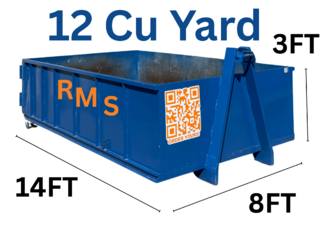
Not everything can go in the bin. That surprises people. They rent a container thinking it is a bottomless pit for whatever the project throws off, then find out later that a few items should never have gone in. Some materials carry weight limits. Some materials are also completely forbidden by law. Throw in the wrong stuff, and there may be a fine imposed on you, rejection of the whole shipment, or a carrier that is not authorized to remove the receptacle. It pays to know the regulations before filling it.
So what actually belongs in your dumpster rental? When people search for a dumpster rental near me, most assume the answer is simple. Just fill it and forget it. Reality has more edges. Most common project debris is fine, but a short list of items needs special handling or stays out completely. Get familiar with both lists before the bin lands in your driveway, and the whole job goes smoother.
RMS Dumpsters & Services LLC deals with these questions all the time. Customers call unsure whether their pile of junk is allowed, and honestly, that is the right instinct. Asking first beats guessing wrong. A quick heads-up about what you are tossing lets the yard set you up with the right container and steer you clear of a rejected haul. Here is a plain breakdown of what goes in, what needs a conversation, and what stays out.
What You Can Toss Without Worry
Most everyday project waste is fair game. This is the stuff that fills most bins on any given job.
Let’s break down the safe list:
- Household garbage such as used furniture, mattresses, and household garbage
- Debris from renovation like drywall, lumber, and used cabinets
- Flooring such as carpeting, vinyl, and laminate
- Yard waste such as branches, brush, and shrubs
- Roofing shingles, with weight in mind
- Packaging, boxes, and general non-hazardous trash
That covers a huge share of what most people need to throw out. A garage cleanout, a kitchen remodel, a yard overhaul, all of it fits here. You fill the bin, they haul it, done.
One thing to keep in mind, though. Heavy materials change the math even when they are allowed.
Heavy Materials That Need a Heads-Up
Some things belong in the bin but come with weight rules. This trips people up more than the banned list does.
Concrete, brick, dirt, and asphalt are all haulable. The catch is weight. Trucks can only safely carry so much, and dense material hits that limit fast. A bin half full of concrete can already be too heavy to lift.
Here is why the call matters:
- Heavy debris caps out by weight before the bin looks full.
- Trucks have legal load limits for safe hauling.
- Going over risks a coverage fee for the extra tonnage
- Mixed loads with concrete need the right container from the start.
If your project involves a lot of heavy material, tell RMS Dumpsters & Services upfront. They will set you up with a container built for the weight so you skip the surprise fee. A demo job with broken concrete is a different order than a bin of light household junk, and planning for it early keeps costs predictable.
What Stays Out of the Dumpster Completely
Now the items that do not go in, no matter the project. These carry real restrictions, and most come down to safety or law.
The major pollutant is hazardous waste. The EPA controls hazardous materials from household use since they may cause fire, corrosion, and soil pollution with toxic substances, as per the U.S. Environmental Protection Agency.
Other prohibited wastes include:
- Paints, solvents, and chemicals
- Car and household batteries
- Automotive fluids including motor oil and gasoline
- Tires
- Appliances containing refrigerants, like fridges and AC units
- Asbestos or anything containing it
- Medical waste and certain electronics
The rules are slightly different depending on the area and hauler, so if unsure, ask. A single forbidden item can cause your entire load to be rejected. This results in a waste of time and an unplanned delay.
Why are they so strict about this? The landfill is not equipped to receive these items. It needs its own disposal route.
Why Loading It Right Saves You Money
Sorting as you go pays off. It sounds tedious, but a little attention up front prevents headaches later.
Think about it. A rejected load is not just annoying. It can mean the truck leaves without the bin, you sort the pile again, and you wait for a second pickup. All of that costs time you probably do not have.
A few habits that keep things smooth:
- Separate hazardous items before they hit the bin
- Flag heavy materials when you book
- Keep the load level, not mounded over the top.
- Ask the yard about anything you are unsure of
That last one is worth repeating. A quick question costs nothing. A wrong guess can cost a fee or a delay. RMS Dumpsters & Services would rather you call and check than find out the hard way on pickup day.
Getting the Right Bin for Your Project
Matching the container to your debris matters as much as what goes in it. RMS Dumpsters & Services runs bins from 10 to 40 yards, so there is a size for most jobs.
A small cleanout does not need a 40-yard container. A full renovation or a heavy demo might. Not sure which fits? Give them a rundown of the project and what you are tossing, and they will point you to the right one.
Billing stays clear too. The quote covers your tonnage and rental period, with no fuel surcharges or convenience fees showing up later. You know the number before the truck leaves the yard.
The whole thing comes down to a little planning. Know what goes in. Flag what needs a heads-up. Keep the banned stuff out. Do that, and your dumpster rental works exactly like it should, quietly handling the mess while you focus on the project.
Call RMS Dumpsters at (402) 510-7016 with a rundown of your job, and get the right container sorted before you start.
