
9 Mistakes to Avoid When Buying Plants From an Online Nursery

Buying plants online can be an enjoyable experience, with endless choices and the convenience of doorstep delivery. However, purchasing plants online can sometimes lead to disappointments if certain mistakes are made. Here are nine common mistakes to avoid when buying plants from an online nursery, ensuring your plants thrive in your garden.

Ignoring Your Local Climate

One common mistake when buying plants online is overlooking your local climate. Not all plants are suited to all environments. Research your region’s climate before purchasing. This helps you avoid investing in plants struggling or failing in your area. Companies like Platypus Plants are online plant nurseries that specialise in delivering a variety of healthy, curated plants directly to customers.

Not Checking the Plant’s Size at Maturity

It’s easy to overlook plants’ mature size when buying them online. Some plants start small but grow into large shrubs or trees, potentially overwhelming your space. Check the plant’s full-grown height and spread to ensure it will fit your garden’s scale and layout.

Skipping Reviews and Customer Feedback

Online reviews provide invaluable insights into the nursery’s quality and the health of its plants. Look for reviews with pictures and details on the nursery’s packaging, shipping practices, and the condition of plants upon arrival. These reviews help identify reliable nurseries and give you a clearer picture of what to expect.

Failing to Review the Return and Refund Policy

Plants are delicate, and sometimes they don’t survive shipping. Before purchasing, check the nursery’s return and refund policy. Some nurseries offer replacements for damaged plants, while others might have a strict no-return policy. Understanding the terms can save you from frustrations if your plants don’t arrive in good condition.

Overlooking Shipping Conditions and Timeframes

Plants can suffer during long shipping times, especially if left in boxes for extended periods. Choose nurseries that offer expedited shipping or are close to your location, as this can minimise the time plants spend in transit. Also, consider ordering in spring or fall, when temperatures are mild, to avoid extreme heat or cold.

Not Researching the Plant’s Care Requirements

Each plant has unique care requirements, including light, water, and soil preferences. Avoid the temptation to buy plants based on looks alone. Ensure the plant’s care needs match your experience level and the conditions you can provide at home. Failing to do so could lead to stress or even death of the plant.

Buying During Extreme Weather Conditions

Ordering plants during extreme hot or cold weather increases the risk of damage during transit. Plants are more likely to arrive stressed or injured if they experience extreme temperatures. Plan your purchases for mild seasons to ensure your plants arrive healthy and adapt well to their new environment.

Not Inspecting for Pests or Disease on Arrival

Plants shipped from nurseries can sometimes carry pests or diseases that could spread to your existing plants. Carefully inspect all new arrivals for any signs of insects or mould. Isolate them for a few days before adding them to your garden, and treat any issues you find immediately.

Choosing the Wrong Potting Soil and Accessories

A common mistake after receiving a plant is to repot it using the wrong soil. Each plant has different soil preferences; succulents require well-draining soil, while ferns need moisture-retaining mixes. Check the soil type recommended for each plant and invest in the right potting mix to give your plant the best chance to thrive.

Conclusion

Buying plants from an online nursery can be a rewarding experience if you take the right precautions. Avoiding these common mistakes will increase your chances of receiving healthy plants that will thrive in your home or garden. Do your research, plan accordingly, and watch your garden grow beautifully!

Featured Image Source: https://www.platypusplants.com.au/cdn/shop/files/IMG_0613.jpg?v=1714114947&width=300
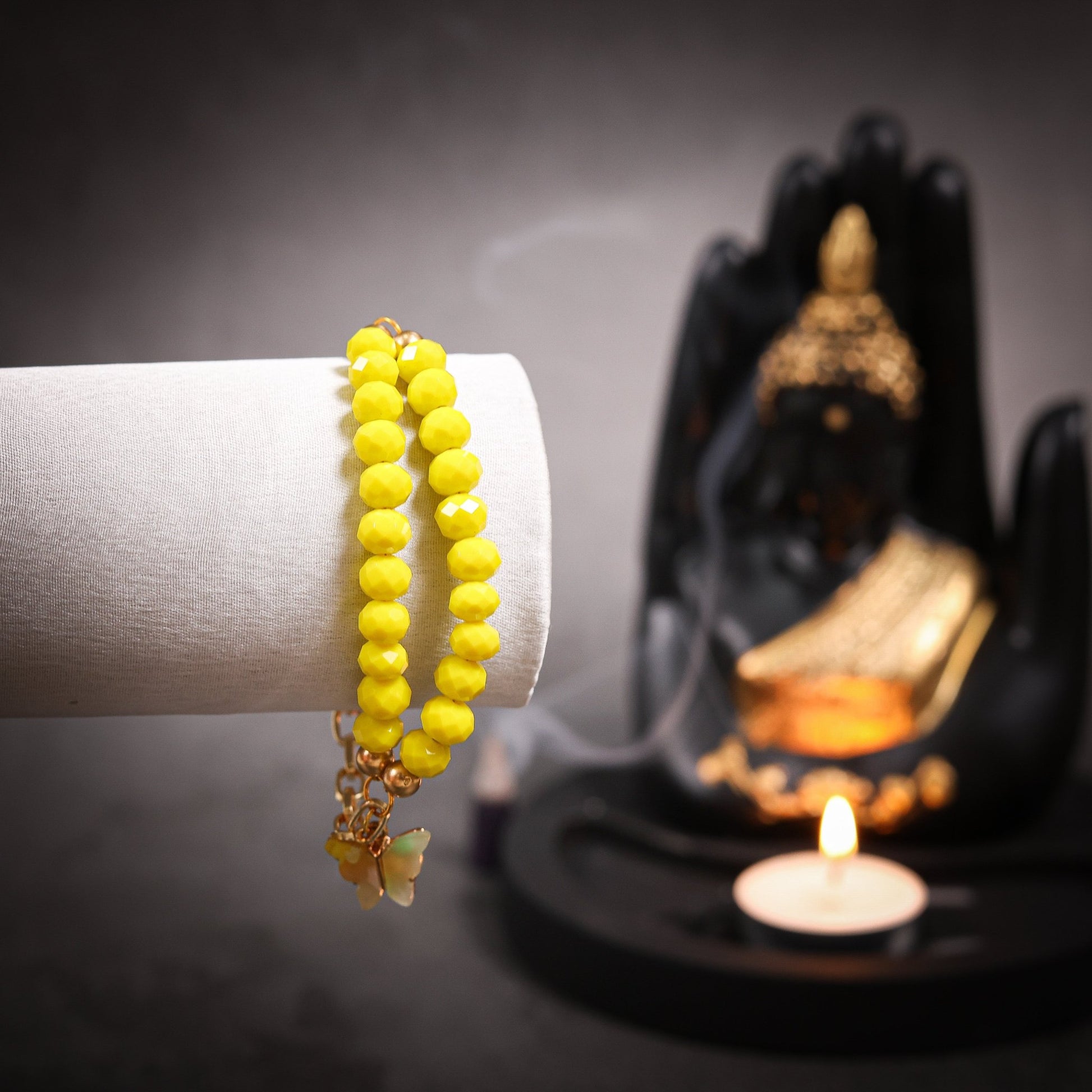

The Ultimate Guide to Selecting the Ideal Energy Bracelet for Women

Energy bracelets emerge as striking and practical items offering various health advantages in the expansive realm of wellness accessories. Many women embrace these captivating accessories to unlock their potential benefits, including enhanced energy, elevated mood, and improved overall wellness. Thinking about incorporating an energy bracelet into your everyday look? Here’s a straightforward guide to assist you in making a well-informed decision.

Exploring the Power of Energy Bracelets

Energy bracelets, typically infused with materials such as copper, magnets, or gemstones, are thought to assist in harmonising the body’s energy field. The concept suggests that these materials can emit specific frequencies that harmonise with the body’s energies, leading to health advantages like pain relief, enhanced energy, and lower stress levels. Atman Urja presents Energy Bracelets for women, crafted to boost vitality, restore balance, and foster well-being through natural healing energies.

Check the Materials

The material chosen for an energy bracelet is crucial in determining its effectiveness and aesthetic charm. Discover a selection of popular choices:

  • Magnetic Bracelets: These accessories enhance blood circulation and alleviate inflammation by featuring powerful magnets.
  • Copper Bracelets: This timeless remedy is thought to ease arthritic symptoms and enhance immune system performance.

Discover the power of crystal and gemstone bracelets. These pieces are believed to boost mental clarity and stability, featuring stunning stones like quartz, amethyst, and tourmaline.

Craftsmanship and Aesthetics

As you select an energy bracelet, consider how seamlessly it will integrate with your everyday outfits. Energy bracelets are available in a wide range of designs, from sleek and contemporary to intricate and classic, ensuring you can find one that perfectly matches your style. 

Whether you lean towards bold designs or understated elegance, an energy bracelet out there perfectly enhances your style while fulfilling its intended function.

Optimal Fit and Unmatched Comfort

The fit is a vital consideration when choosing an energy bracelet. It should fit comfortably against the skin, providing a snug embrace without any tightness that leads to discomfort. Experience the perfect fit with adjustable bracelets or those featuring elastic bands designed for your ultimate comfort during extended wear.

Excellence and Genuine Experience

Energy bracelets are everywhere, each boasting a range of health benefits. To guarantee the authenticity of the materials used, buying from reputable retailers or trusted manufacturers is crucial. Authentic customer reviews and product certifications serve as valuable signals of quality.

Purpose and Advantages

Various energy bracelets are promoted for their unique advantages, including better sleep, increased focus, and greater relaxation. Discover your unique needs and find a bracelet that perfectly complements your health and wellness aspirations. If you’re facing stress, consider a bracelet adorned with amethyst, known for its calming qualities.

Evaluating Performance

Although the scientific backing for energy bracelets’ effectiveness is mixed, numerous users share their positive experiences. Why not give a bracelet a shot? You might be surprised by the boost it brings to your energy and overall well-being. The placebo effect can often bring about remarkable enhancements in your overall well-being.

Conclusion

Energy bracelets blend timeless tradition with contemporary style, creating captivating accessories that may offer wellness advantages. Explore the diverse materials and styles and align them with your unique needs and preferences. 

This way, you can select an energy bracelet that not only complements your aesthetic but also has the potential to elevate your quality of life. Remember that the ideal bracelet is one that you find comfortable and resonates with your wellness aspirations—serving as a flawless addition to your personal style and inner harmony.

Featured Image Source: https://www.atman-urja.com/cdn/shop/files/IMG_4804.1_1a852c0e-3117-4953-9b01-bc496c7c70fd-550619.jpg?v=1727939099&width=1946

How to Choose the Best Stress Relief  Energy Bracelets

Given the increased pace of life today, stress has become a constant struggle, affecting our psychological and physical state. This has made several people seek and consider natural and holistic methods of finding equilibrium and reducing stress. 

One remedy that has gained some attention is the stress and energy bracelets. These bracelets are not merely fashion accessories. They are designed to help improve your health. If you are considering getting one for yourself, here’s how to select the one that fits you the best.

What Are Stress and Energy Bracelets 

Braces designed for stress and energy relief combine crystals, beads, metals and other items with natural energy elements. Such materials include as;

The theory behind these bracelets is that the wearer’s body interacts with the aura of the materials, assisting in eliminating impurities in the energy flow of the individual. For those seeking to maintain a sense of calmness and balance, Atman Urja offers an energy bracelet that works for stress relief. It transforms stress into peace. Stress alleviation and complete body cleansing are further advantages of the natural stone bracelet.

Important Characteristics to Take into Account

It is wise to consider these qualities when purchasing an energy and stress relief bracelet to enjoy most of its functions.

  • Material: It is important to look at what the material is reputed to do to determine which is right for the purpose. Brazillian amethyst is useful for people who want to be calm.
  • Quality: The better the quality of the material, the more time it will serve, and better energy will come from it. Note that it is important that the energy bead bracelet is made of natural stones, so it should not be made of fake stones.
  • Design: A positive aspect of the bracelet’s properties is that the individual will want to wear the bracelet as the energy will act on the individual. Remember how much the bracelet weighs and how it feels on your wrist.
  • Size: Make sure that it is tight and comfortable on your wrist. If a bracelet is too loose, there is a chance of getting lost or sticking out on something, and there is discomfort when wearing a tight bracelet.

Personal Considerations

  • Intention: Before purchasing the bracelet, you’ll need to evaluate your intentions while purchasing it. Do you wish to use it to control anxiety levels, improve focus, or gain more energy? Well, it helps you decide which piece to go for.
  • Sensitivity: If you have sensitive skin, check the composition for any probable allergic materials. Metal alloys, such as nickel, found in many metal components, can cause skin rashes in people with sensitivities.

Testing Effectiveness

Many anecdotal claims that using one or the other relieves stress and energy benefits. However, one should keep an open mind and be cautious about expectations. For example, wearing a simple bracelet and trying to change one’s stress levels or energy with the thought of it. This also includes leading a balanced diet and healthy lifestyle, which enhances the bracelet’s effectiveness.

Conclusion

To find the best scope of stress relief and energy, a person needs to know the characteristics of different materials, requirements, and a good build in terms of comfort. Though these bracelets are a great accessory to wear in everyday outfits, their impact on someone’s health makes them even better. Wear the right stress relief bracelet, and you can find a healthier way to do things with more energy.

Featured Image Source: https://www.atman-urja.com/cdn/shop/files/IMG_4251_1-336378.jpg?v=1727936975&width=823

How to Choose a Smartphone?

Finding the right smartphone can help you manage e-mails and appointments, track workouts and diet, keep up with family, friends and work, and play games. Choose a cell phone carrier that has good coverage in your area.

Pick a screen size that fits your hand and wallet. Determine a price range and operating system. Research warranties, customer service, and software update frequency.

What do you need?

There’s a lot to consider when buying a smartphone, from the screen size and resolution to what kind of battery life you want. Knowing what your priorities are can help you narrow down your options.

For instance, if you’re a big Instagrammer or Facebook user you might want a phone with a great camera and big, sharp display. If you like to play games, you’ll want one with a powerful processor and lots of memory. If you’re a business person, you might prefer something that has a keyboard so you can manage your e-mails and appointments easily on the go.

If you’re not sure what kind of specs to look for, check out expert reviews from respected websites and publications. These experts thoroughly test phones and can give you insights into things like cameras, battery life, and software that you might not have considered. Also, look at real-world feedback from people who have been using the phones for a while. Discussions on forums, social media, and retail sites can show you how durable or usable a phone is in daily use and how good (or bad) customer service is.

What do you want?

Smartphones are a key part of our lives. They help us stay connected with friends and family, shop online, record videos and capture photos. But there are so many options it can be hard to figure out which phone is right for you. Not to mention, they can be expensive!

The best way to determine what features you want is to look at how you use your current phone. For example, do you rely on your phone for directions? If so, you might want a GPS system. Do you take lots of photos? You’ll want a high-quality camera. Do you use your phone for work e-mail? If so, you might want an iPhone with the Apple app store.

Another thing to consider is the phone’s build and design. Do you want something durable enough to survive a few drops? Metal and plastic phones tend to be more rugged, while glass-based phones are more fragile. Also, make sure the device is comfortable to hold in one hand and that it fits well in your pocket or purse.

Finally, don’t forget to consider the phone’s screen size and resolution. Higher resolutions mean sharper images and better colour accuracy, but they also require more battery power. Be sure to test out a few demonstration phones and see how the display looks.

How much do you want to spend?

Some people think that smartphones are the most important tech product they use, and they are willing to pay top dollar for a model with all the bells and whistles. Whether you love taking epic pictures, playing games or managing e-mails on the go, there’s probably a smartphone out there that will satisfy your needs and be enjoyable to use on a daily basis.

But before you go out and buy the latest and greatest, consider how much you’re comfortable spending and whether you want to sign up for a contract. It’s easy to spend more than you can afford and end up with a phone that you can’t use. Plus, if you choose the wrong cell phone company or plan and sign a contract, you’re stuck with it for years.

Take a hard look at your budget (income, expenses, other money stuff going on) and figure out how much you’re comfortable spending. Be sure to include the cost of the device as well as the cost of a plan and any extras like data, texting and international roaming. Setting a budget range helps you avoid overspending and gives you options like accessing emergency funds or skipping lattes to save up for what you really want. Then take your time researching phones and find the right one for you.

What’s your budget?

Smartphones aren’t cheap (and the plans they sometimes require can be even more expensive), so it’s worth taking some time to figure out what you really need, want and can do without before you start shopping. It will save you money in the long run and make the whole experience a lot less stressful.

Having the right phone will allow you to do everything from managing e-mails and appointments to getting directions and tracking your workouts. It will also let you keep in touch with friends, find new music and movies to watch and more. However, finding the perfect smartphone can be a little tricky, thanks to the seemingly endless choice of options and specialist terminology that can make things confusing.

Once you’ve established your requirements, it’s time to think about the big picture: how much do you want to spend? The best cell phones aren’t always the most expensive ones. You can get a great smartphone for around $200 or less.

Featured Image Source: https://cdn.pixabay.com/photo/2014/08/05/10/30/iphone-410324_640.jpg

The Ultimate Guide to Organizing Your Home: Tips for Every Room

A well-organized home is not just a visual pleasure; it can transform your daily life, boost your productivity, and reduce stress. If you’ve ever felt overwhelmed by clutter or struggled to find things when you need them, you’re not alone. Organizing your home can seem like a daunting task, but with a bit of strategy and some practical tips, you can turn your space into an oasis of order and calm. Here’s a comprehensive guide to help you tackle organization room by room.

Organizing your home isn’t a one-time task but an ongoing process that demands regular upkeep and adaptability. As your needs and possessions evolve, so should your organizational strategies. By consistently applying effective tips and solutions, you can achieve a space that’s both visually pleasing and highly functional. This proactive approach not only enhances the aesthetic of your home but also optimizes its efficiency, freeing up more time for what truly matters. 

Embracing this continuous process of organization will lead to a more serene and enjoyable living environment, where everything has its place and your daily life runs smoothly. Make organization a habit, and you’ll experience a more relaxed, harmonious home

1. Entryway

Your entryway is the first impression of your home and sets the tone for the rest of your space. It’s essential to keep this area tidy and functional.

  • Declutter: Start by removing everything from your entryway. Sort items into categories: keep, donate, or discard. Be ruthless with items that don’t serve a purpose.
  • Storage Solutions: Invest in a stylish console table or a bench with storage underneath. Use baskets or bins to hold shoes, gloves, and other items. Install hooks or a coat rack for jackets and bags.
  • Organize: Place a tray or small dish on the console table for keys and mail. Consider a wall-mounted organizer for your daily essentials.

2. Living Room

The living room is where you relax and entertain, so it’s important to keep it organized and clutter-free.

  • Furniture Arrangement: Arrange furniture to create a natural flow. Ensure there’s enough space to move around comfortably and avoid overcrowding.
  • Storage Solutions: Use coffee tables with built-in storage or ottomans that double as storage units. Bookshelves or cabinets can help keep media items, books, and decorative pieces organized.
  • Declutter Regularly: Regularly assess the items in your living room. Remove anything that doesn’t belong or hasn’t been used in the past six months.

3. Kitchen

The kitchen is often the heart of the home and can easily become cluttered with cookware, utensils, and food items.

  • Pantry Organization: Use clear containers to store dry goods and label them for easy identification. Group similar items together and keep frequently used items at eye level.
  • Cabinet and Drawer Organizers: Invest in shelf risers, pull-out trays, and drawer dividers to maximize cabinet space and keep utensils, pots, and pans organized.
  • Countertop Clutter: Keep countertops clear by storing appliances and gadgets in cabinets. Use a small, dedicated area for essentials like a coffee maker or knife block.

4. Bedroom

Your bedroom should be a retreat, so an organized space is crucial for relaxation and restful sleep.

  • Closet Organization: Use slim, non-slip hangers to maximize space. Implement drawer dividers for accessories and use over-the-door organizers for shoes or small items.
  • Under-Bed Storage: Utilize the space under your bed for storage bins or boxes. This can be an excellent spot for off-season clothing or extra bedding.
  • Nightstands and Dressers: Keep nightstands uncluttered by storing items like books, chargers, and medications in designated drawers or containers. Regularly declutter your dresser drawers to ensure you only keep items you wear.

5. Bathroom

Bathrooms are often small spaces that can quickly become disorganized. Keeping them tidy requires smart storage solutions.

  • Medicine Cabinet: Regularly review and discard expired or unused medications. Use clear bins or small baskets to keep toiletries organized.
  • Shower Storage: Install a shower caddy or shelves to keep shampoos, conditioners, and soaps organized and within reach.
  • Drawer and Cabinet Organization: Use drawer organizers for items like cotton swabs, toothpaste, and makeup. In cabinets, use risers or stacking bins to maximize vertical space.

General Tips for Every Room

  1. Adopt the ‘One In, One Out’ Rule: For every new item you bring into your home, make sure to remove an old one. This helps prevent clutter from accumulating.
  2. Create Zones: Designate specific areas in each room for different activities or types of items. For example, have a reading nook in the living room and a dedicated crafting area in a corner.
  3. Label Everything: Use labels on storage bins, shelves, and boxes to ensure that everyone in the household knows where things belong. This makes it easier to maintain organization.
  4. Daily Maintenance: Spend a few minutes each day tidying up to prevent clutter from building up. A quick evening routine of putting things back in their place can make a big difference.

Personalize Your Space: While organizing, remember to keep the aesthetic and functionality of the space in mind. Choose storage solutions that fit your style and make you happy.

Featured Image Source: https://cdn.pixabay.com/photo/2019/08/18/19/51/house-4414916_640.png

Unlock Your Potential: The Ultimate Guide to Effective Fitness Routines

In the quest for optimal health and fitness, having an effective workout routine is essential. With so many options available, the challenge often lies in crafting a routine that aligns with your unique goals, lifestyle, and preferences. This guide is designed to help you unlock your potential by providing a detailed roadmap to creating an effective fitness routine that can drive you toward your health and wellness objectives.

Understanding Your Fitness Goals

Before diving into the specifics of a fitness routine, it’s crucial to establish clear and achievable fitness goals. Your goals will dictate the structure of your routine and the types of exercises you should include. Common fitness goals include:

  1. Muscle Building: If your aim is to increase muscle mass, your routine should focus on strength training with progressive overload, targeting various muscle groups.
  2. Weight Loss: For weight loss, a combination of cardiovascular exercises and strength training is effective, along with attention to diet.
  3. Cardiovascular Health: Improving heart health involves incorporating regular cardio workouts, such as running, cycling, or swimming.
  4. Flexibility and Mobility: To enhance flexibility and reduce injury risk, integrate stretching and mobility exercises into your routine.

Components of an Effective Fitness Routine

A well-rounded fitness routine should include several key components to ensure balanced development and overall health. Here’s a breakdown of each component:

  1. Strength Training: This is essential for building muscle, increasing strength, and boosting metabolism. Aim for 2-4 days a week of strength training, focusing on different muscle groups each session. Utilize free weights, machines, and bodyweight exercises. Key exercises include squats, deadlifts, bench presses, and rows.
  2. Cardiovascular Exercise: Cardiovascular workouts improve heart health and endurance. Aim for at least 150 minutes of moderate-intensity or 75 minutes of high-intensity cardio each week. This could be spread out over several days. Activities like jogging, cycling, or rowing are great choices.
  3. Flexibility and Mobility: Incorporating flexibility exercises, such as stretching and yoga, can enhance your range of motion and reduce injury risk. Perform dynamic stretches before workouts and static stretches after. Consider yoga or Pilates sessions once or twice a week for comprehensive flexibility and core strength.
  4. Rest and Recovery: Allowing your body time to recover is as crucial as the workouts themselves. Aim for at least one rest day per week and ensure adequate recovery between strength training sessions. Rest days help prevent overtraining and support muscle repair and growth.

Structuring Your Weekly Routine

To maximize results, structure your weekly fitness routine to include a balance of all the essential components. Here’s a sample weekly plan:

  • Monday: Strength Training (Upper Body) – Focus on exercises like bench presses, shoulder presses, and bicep curls.
  • Tuesday: Cardio – Engage in 30 minutes of moderate-intensity activity, such as brisk walking or cycling.
  • Wednesday: Strength Training (Lower Body) – Incorporate squats, deadlifts, and lunges.
  • Thursday: Flexibility and Mobility – Attend a yoga class or perform a dedicated stretching routine.
  • Friday: Strength Training (Full Body) – Combine exercises for both upper and lower body, with a focus on compound movements.
  • Saturday: Cardio – Perform high-intensity interval training (HIIT) or participate in a recreational sport.
  • Sunday: Rest or Light Activity – Enjoy a leisurely walk or gentle stretching to aid recovery.

Incorporating Progressive Overload

To continue making progress, you must apply the principle of progressive overload. This involves gradually increasing the intensity of your workouts over time. In strength training, this might mean adding more weight, increasing the number of sets or reps, or reducing rest intervals. For cardio, you can increase the duration or intensity of your sessions. This ensures that your body keeps adapting and improving.

Tracking Your Progress

Monitoring your progress is essential for staying motivated and making necessary adjustments. Use a fitness journal or app to record your workouts, weights lifted, distances run, and other relevant metrics. Regular assessments, such as body measurements, fitness tests, or tracking improvements in endurance and strength, can provide valuable insights into your progress.

Staying Motivated

Maintaining motivation is key to long-term success. Here are some strategies to help you stay on track:

  1. Set Short-Term Goals: Break down your ultimate goal into smaller, achievable milestones. Celebrate these accomplishments to stay motivated.
  2. Find a Workout Partner: Exercising with a friend can make workouts more enjoyable and provide mutual encouragement.
  3. Vary Your Routine: To prevent boredom, incorporate different exercises and activities into your routine. Try new workout classes or sports to keep things exciting.
  4. Reward Yourself: Treat yourself for reaching milestones, whether with a new fitness gadget, a massage, or a healthy treat.

Avoiding Common Pitfalls

When designing and following a fitness routine, be mindful of common mistakes:

  1. Overtraining: Doing too much without adequate rest can lead to injury and burnout. Ensure you have enough recovery time.
  2. Neglecting Warm-Ups and Cool-Downs: Warm-ups prepare your body for exercise and reduce injury risk, while cool-downs aid in recovery.
  3. Ignoring Nutrition: Exercise alone isn’t enough. Proper nutrition fuels your workouts and supports recovery. Focus on a balanced diet rich in protein, healthy fats, and complex carbohydrates.

Featured Image Source: https://cdn.pixabay.com/photo/2021/01/13/16/46/workout-5914643_640.jpg

Internet Banking Benefits

In today of banking, a trip to your bank’s local branch is needed to sort your finances out. The net now over 15 million individuals from the UK choosing to execute their banking online and has revolutionised the world of banking. There are a lot of monetary transactions which might be carried out from obligations, to applying for a credit card, loan or insurance transfers and balance checks. There are various advantages to clients who choose to bank online. So you can keep from home and 27, bank accounts may be checked everywhere on the planet using the internet. The capacity to check see statements and your balance makes it easier to maintain your finances and the info is timelier compared to the monthly paper statements.

Having one or banking accounts setup for internet banking means you access and control making life that little bit simpler. You can print or download your invoices, if you like to keep a newspaper trail of your financing. So it’s potential to check your banking confirmation if need be newspaper free banking providers shop documents for a time period. Another advantage of controlling your stresses your finances on-line is the ease with which you may transfer funds in one accounts to another. You may like to move money between your checking account and savings accounts, a process that may be easily completed at the mere touch of a button.

Internet banking isn’t just for computer geniuses since the processes involved are intended to be easy to use and also accessible to anyone with basic computer knowledge. Most banks will offer an on-line demonstration to assist you on the way and also help is never far away with dedicated on-line support teams to answer any questions you might have. If you feel insecure about the security of internet banking then you may stop worrying now since your banking info is encrypted and for that reason protected. Many banks have a tendency to offer an on-line guarantee against fraud so that you may rest safe in the knowledge which your on-line transactions are extremely secure. The latest decline in usage of cheque books and progressively popularity in internet banking demonstrates which the world is adapting to the opportunities offered by banking over the internet. Internet banking actually does put you in management of your financing so whether you are thinking of having an on-line banking accounts, savings accounts or credit card, the possibilities are worth investigating and also you might be a few clicks away in a more streamlined and responsive alternative to your all your banking needs