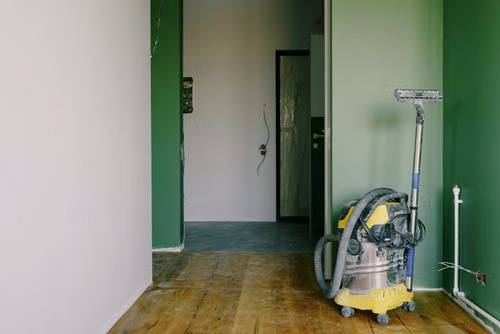
Most remote workers in Boulder have a backup plan for a dead laptop battery or a dropped video call. Almost nobody has a plan for two inches of water under the desk. When a pipe bursts behind the wall of a spare bedroom, or spring snowmelt pushes into a basement office, the damage lands twice, once on the house, and again on the income that room produces. That second hit is the one people underestimate, and it is the reason emergency water damage restoration works differently when the flooded room doubles as a workplace.
Think about what actually sits in that room. A computer, a second monitor, a work phone, chargers, paper files, perhaps equipment your employer owns and expects back in one piece. Then add the part nobody can replace at a store: your working hours. Each day that the room remains wet represents days of rescheduled meetings, missed deadlines, and apologies. The emergency water damage restoration of a water-damaged home office involves more than just the number of gallons extracted; it is also a function of the number of working days lost.
Restoration Logistics Boulder answers these calls throughout the area, including surrounding towns such as Gunbarrel, Louisville, Superior, and Niwot. They arrive at your location within one hour of the call, whether day or night, and time is crucial in this part of the home above most others. A soaked guest room costs you comfort. A soaked office costs you money by the hour.
Why a Flooded Home Office Costs More Than the Room Itself
Here is the uncomfortable math. If the water forces you offline for a week, the repair bill is only part of the loss. Freelancers and contractors lose billable time outright. Salaried employees burn vacation days or scramble for a coffee shop table while crews work. Some people try to push through and take client calls over the sound of a wet vacuum, which rarely goes well.
And then there is the silent cost. Electronics left behind in a wet room will malfunction weeks later, even if the room looks okay. Contracts on paper absorb water from the ground in just a few minutes. Nothing like that is noticed during a first tour, and for that reason, moisture level readings are even more important in the office than in a corridor.
The Basement Office Problem in Boulder Homes
Ask around, and you will find that a large share of Boulder home offices sit in basements. It is the quiet floor, the spare floor, the one with room for a desk. It is also the floor where water goes first. Rapid snowmelt near creek-adjacent neighborhoods, storm drains backing up during a summer downpour, and frozen pipe breaks in January all send water to the lowest point of the house, straight toward the desk.
Older Boulder properties add their own wrinkle. The dampening process caused by an aged foundation and leaking groundwater is a slow one that takes place over days. The moisture may be present at the padding, under the carpet, and on the drywall behind the shelves long before you feel the carpet become moist underneath you.
The First Ten Minutes Before the Crew Arrives
You cannot dry the structure yourself, but you can protect the work. A few moves, in order:
- Shut off power to the room at the breaker if water is anywhere near cords or outlets
- Unplug and move computers, drives, and chargers to a dry room, screens up.
- Lift paper files, notebooks, and anything signed off the floor.
- Photograph the room, the water line, and the equipment before anything gets moved far.
- Call for professional extraction rather than waiting to see if it dries on its own
That last point deserves a plain explanation. Carpet pad, drywall, and the wood framing behind it hold water you cannot see. Household fans dry the surface and leave the rest.
The Insurance Gap Most Remote Workers Never See Coming
This is the bit where you get surprised. The average homeowner insurance policy places the coverage limit for office equipment at about $2,500, states the Insurance Information Institute. Get the cost estimate for an office laptop computer, a couple of monitors, a chair, and a printer, and you’ll see how soon that cap comes. Employer-owned equipment adds another layer, since your employer’s coverage and your policy may point at each other.
None of this means a claim is hopeless. It means documentation carries real weight. Moisture logs, photos, itemized equipment lists, and a clear restoration report give the adjuster something concrete to work with, on both the property side and the business-equipment side. Sorting out what applies is a conversation for your insurer, and it goes better with paperwork in hand.
How Emergency Water Damage Restoration Works Around Your Workday
A home office job has one extra requirement most water losses do not. You still need to work somewhere while it happens. Expect extraction first, usually within hours of the call, followed by several days of structural drying with air movers and dehumidifiers running around the clock. The equipment is loud. Plan on taking calls from another room, or another building, until readings confirm the space is dry.
Crews can also help you triage the room itself. Which furniture can be dried in place, which materials need to come out, and when it is realistic to move the desk back in. Honest answers on that timeline beat optimistic ones, since setting up your workstation in a room that is still damp only restarts the problem.
The Air You Breathe for Nine Hours a Day
One more reason a home office cannot wait. According to EPA guidelines, mold is not likely to grow if the water-damaged area/items are dried in 24 to 48 hours. Missing that deadline means your room, where you spend the whole day sitting, with the door closed and the heater on, will have a musty smell by February. Fast extraction, verified drying, and remediation where needed keep the office a place you can spend a full workday without thinking about what is behind the wall.
Water in a home office is a property emergency and an income emergency at the same time. Treat it like both. Move the equipment, make the call, document everything, and let the drying start before the next workday is gone.
