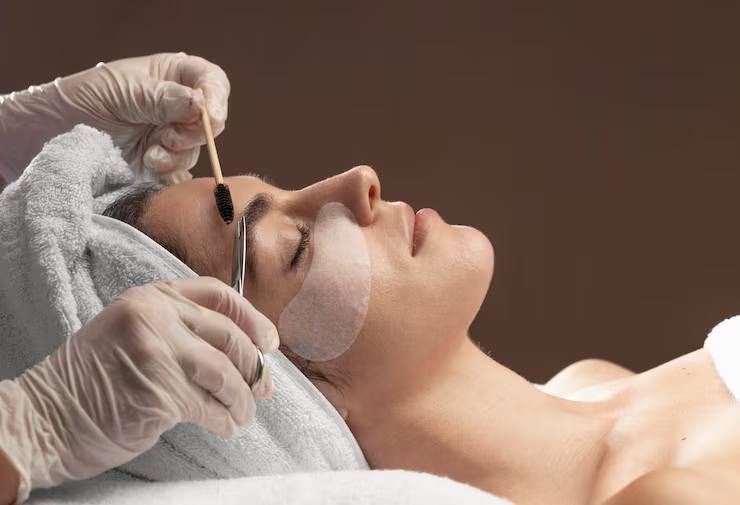
For a long time, skincare treatments tended to focus on removing things from the skin. Dead skin cells. Excess oil. Congestion sits inside the pores. The cleaner and smoother the skin looked immediately afterward, the more successful the treatment was often considered to be. People got results, sure, but aggressive treatments sometimes left the skin feeling tight, sensitive, or unusually reactive for the next few days.
A different approach is becoming more common in professional skincare today. Rather than focusing entirely on exfoliation and correction, many treatments now place equal attention on supporting the skin barrier throughout the service. The same kind of long-term thinking that goes into maintaining healthy hair alongside hair extensions has started influencing skincare as well. Improving the skin matters, but preserving the systems that keep it healthy matters too.
Modern facials often include multiple steps specifically chosen to support the skin barrier before, during, and after treatment. Some of those steps are obvious, while others happen quietly in the background through product selection and treatment planning. This post breaks down what the skin barrier actually does, which facial components support it, and why skincare professionals pay attention to it when designing treatments.
Understanding the Skin Barrier
The skin barrier serves as the skin’s outer protective layer. Its job is fairly straightforward. It helps keep moisture where it belongs while protecting against environmental stressors that come into contact with the skin every day.
Most people never think much about their skin barrier when it’s functioning properly. The skin feels comfortable. Products perform normally. Minor environmental changes don’t create major problems. When the barrier is compromised, though, the signs tend to appear fairly quickly. Increased dryness, sensitivity, redness, and irritation are some of the more common indicators.
Supporting the barrier is often less about adding more products and more about avoiding unnecessary disruption during treatment.
Cleansing Without Overdoing It
Cleansing is usually the first step of any facial service, and it sets the tone for everything that follows.
Years ago, many skincare products were designed around the idea that skin should feel completely stripped after cleansing. That sensation was often mistaken for cleanliness. Modern facial treatments generally take a different route. The objective is still to remove makeup, sunscreen, and daily buildup, but without removing more of the skin’s natural protective elements than necessary.
Professional product selection plays a role here. Cleansers used during advanced facial treatments are often chosen based on the skin’s condition rather than applied universally to every client who walks through the door.
Exfoliation With More Precision
Exfoliation remains an important part of many facial services. Dead skin cells accumulate naturally and eventually need to be removed to improve texture and support healthy skin renewal.
The difference is that exfoliation is often approached more carefully than it was in the past.
Some skin types tolerate stronger exfoliating treatments fairly well. Others do not. Using the same level of exfoliation for every client can create problems, particularly when the barrier function is already compromised. Professional facial treatments typically adjust exfoliation methods based on the skin’s current condition rather than following a fixed formula.
That flexibility is one of the reasons customized treatments generally produce more predictable results.
Hydration Throughout the Service
Hydration does much of the heavy lifting when barrier support becomes a priority.
Instead of using a single moisturizing product at the very end of a treatment, advanced facials incorporate hydration at various points throughout the service. Serums, masks, and conditioning products can all help keep moisture levels high during the treatment.
This stratification technique can counteract part of the stress that active ingredients or exfoliation might cause on the skin. It is not just to achieve the appearance of moist skin for several hours. It is to put the skin in a more normal condition than at the onset of the treatment.
Product Selection Matters
Not all skincare products react with the skin barrier. Some of the ingredients are chosen because they help maintain moisture levels and overall skin comfort. Others are selected based on their ability to address specific issues without causing undue nuisance. The choice of products is particularly crucial when dealing with skin that already displays some signs of sensitivity.
This is among the unseen aspects of a facial treatment. Customers tend to notice the appearance of their skin after the treatment, yet, to a large extent, choices determine the result of this process made long before the first product is applied to the skin.
Treatment Planning around Skin Condition.
A barrier is most effective when it is integrated into the treatment plan and not an afterthought.
The skin varies with the seasons. The weather, stress levels, travel, and even daily habits can affect skin strength at any moment. A treatment that was ideal one month ago might require some modifications a few months later.
Assessing the skin before treatment can help skincare professionals identify which areas require the greatest focus and where barrier support should be applied within the overall service.
One of the treatment details that hardly receives the same attention as exfoliation or brightening, but still has a significant impact on the skin’s appearance and feel afterward, is skin barrier health. Collaborating with practitioners who consider barrier function when designing a treatment plan, such as the staff at AltaRd Salon LLC, will help create facial experiences that support both short-term and long-term skin health.
Featured Image Source: https://img.freepik.com/free-photo/young-woman-relaxing-beauty-salon_23-2148895556.jpg?semt=ais_hybrid&w=740&q=80
