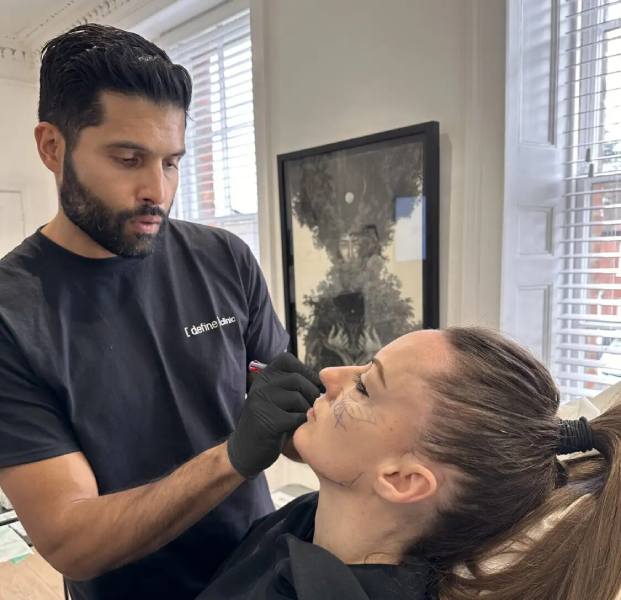
Most people think about the needle being the focal point. This involves coming into the treatment centre, receiving injections, and leaving with a smoother complexion. It turns out there is a bit more to the process, and the stages all play a role in the level of satisfaction you will have with the results. Missing a stage or moving quickly through the process may lead to doubts about something that went very well. Knowing the entire procedure will calm your mind.
The whole purpose of Botox in London is a subtle transformation, which can only be achieved by respecting the procedure’s timeline. There is a certain rhythm from the beginning all the way until the follow-up weeks later. It is important to understand the rhythm to know what is expected and what needs follow-up. Here’s what actually happens.
At Define Clinic – London, the first appointment is not the treatment. It is a proper consultation, and that catches some people by surprise. You sit down with a medical professional who looks at your face, asks about your goals, and maps out what a sensible plan looks like. There might be skin analysis involved, and photos taken for your records. Some patients expect to be treated on the spot and feel a flicker of impatience about the extra step. That step is what stops results going wrong later.
Let’s break it down stage by stage.
Stage One: The Consultation and Assessment
This first meeting does more heavy lifting than most people realise. A good injector wants to understand how your face moves before deciding where to place anything. They observe you frowning, raising your eyebrows, and smiling. They ask what is causing your trouble and what kind of look you wish to avoid.
Expect some genuine talk from them, not a sales talk. It is a good sign if a practitioner says you need less than you think you do. A few patients feel somewhat disappointed when told to start with a conservative approach. In practice, that caution protects you from the frozen look nobody wants.
A few things worth raising at this stage:
- Any medical conditions or medications you take
- Previous injectable treatments and how they went
- Events coming up, so timing works in your favour
- Your honest budget, so the plan stays realistic
Perhaps the most useful thing you can do is ask questions. Lots of them. A clinic that welcomes questions tends to respect your decision-making.
Stage Two: Treatment Day and the Injections
The actual treatment moves quickly, and that surprises people who spent weeks working up the nerve. Small injections are administered into the muscles agreed upon during your consultation. The needles are fine, so discomfort stays low. The session usually wraps up in half an hour.
You might notice tiny raised bumps at the injection points, a little like nettle stings. These flatten within an hour or so. Mild redness is normal too. None of this means anything has gone wrong.
Right after treatment, a few sensible habits protect your results:
- Stay upright for several hours.
- Avoid heavy exercise for the rest of the day.
- Keep your hands off the treated areas.
- Give saunas and steam rooms a miss for a day or two.
That is really it for aftercare. The demands are light, which is part of why so many people fit the treatment around a normal working week.
Stage Three: The Waiting Window
This is where patience gets tested. For the first couple of days, nothing much changes, and that quiet stretch can breed doubt. Your lines look the same. You might wonder whether it worked at all. That worry is common, and it passes.
Around day three or four, the first shifts appear. Muscle movement softens. Your forehead looks smoother when you try to lift it. The change builds gradually rather than arriving all at once. Full results usually settle between day ten and day fourteen.
Judging your outcome before two weeks is a mistake. The product is still taking effect, so early unevenness often sorts itself out. Booking your opinion for the fourteen-day mark saves a lot of needless worry in that first anxious week.
Stage Four: The Review Appointment
Here is the stage plenty of clinics skip, and it matters more than people think. A proper review happens about two weeks after treatment. Your practitioner checks how the product settled, whether both sides look balanced, and if any area needs a small top-up.
This is your moment to raise anything that feels off. Maybe one brow sits slightly higher, or a line softened less than you hoped. Small adjustments at this point are normal. Attending the review also builds a record of what works for your face, which makes future sessions sharper.
Think about what happens without that review. A tiny asymmetry that could have been fixed in minutes goes unaddressed for months. The follow-up exists precisely to prevent that.
How Long Results Last and When to Return
Once your results settle, they generally hold for three to four months. After that, muscle movement slowly returns, and your lines gradually come back. That fade is your book signal again if you want to keep the effect going.
Some people find results last longer with repeat treatment, as the muscles get used to relaxing. Others let it wear off fully between visits, and that is a valid choice too. What you should not expect is a permanent result from one appointment. Planning around that three- to four-month window keeps your expectations grounded.
Would you rather chase a dramatic change quickly, or build a subtle result you can maintain over time? The people happiest with Botox tend to choose the second. They see it as an ongoing process with a trusted clinic rather than a one-off solution.
Consultation, treatment, waiting, and review. These are four steps, each having its own importance. Following all four is what determines whether the outcome will be natural or anxiety-causing. Take your time with the process, stick to the review appointment, and let the result happen in its own due course.
